
Operator
Eurotunnel
A profile of the car train operator - terminals, process, vehicle types, pets and fares
- Through the Channel Tunnel since 1994, operated by Getlink, 2.2 million vehicles in 2025
- Calais - Folkestone in 35 minutes, up to 4 departures an hour, one ticket per vehicle for up to 9 people
- Arrive at the terminal at least 1 hour before departure, 90 minutes with a pet; no foot passengers
About Eurotunnel LeShuttle
Table of Contents
About Eurotunnel LeShuttle
Eurotunnel is the operator of the Channel Tunnel and belongs to the French group Getlink, which was called Groupe Eurotunnel until 2017, is headquartered in Paris and is listed on Euronext. The tunnel opened on 6 May 1994, and the concession agreement runs until 2086. The car train for cars, motorbikes, motorhomes and coaches was called Eurotunnel Le Shuttle until 2023 and has been known as LeShuttle since then; lorry traffic runs as LeShuttle Freight. According to Getlink, around 2.2 million vehicles and 8.3 million passengers travelled with LeShuttle in 2025, and in the first half of 2025 the car train accounted for 59.9 per cent of short-sea car traffic across the Channel. How the tunnel compares with the ferries to Dover is set out in the Eurotunnel or ferry guide; the sister site channeltunnel.net covers everything from fares to the terminal process in detail.
Trains and terminals
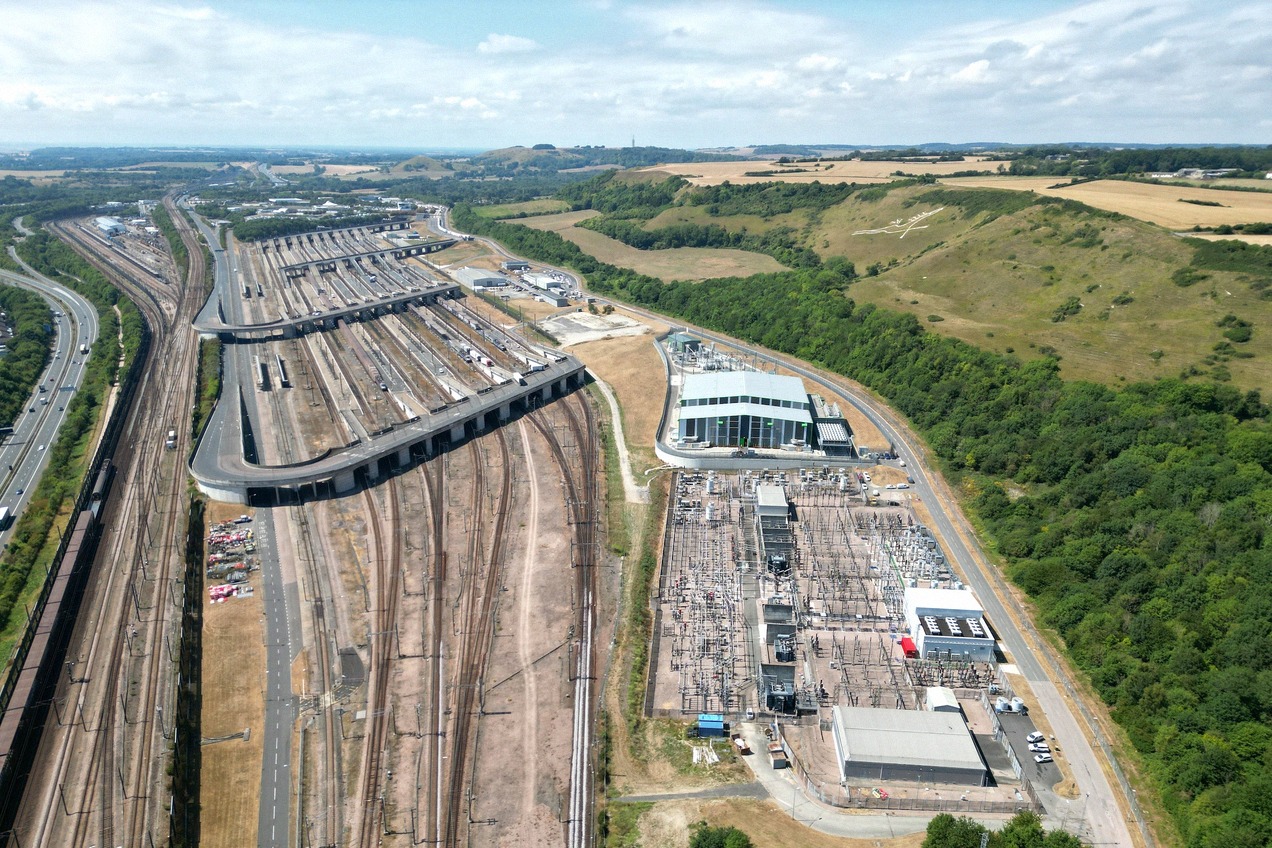
The shuttle trains run between the Coquelles terminal near Calais and the Folkestone terminal in Kent, 35 minutes terminal to terminal, up to four times an hour, around the clock every day of the year. Cars and small vehicles travel in double-deck wagons, while vehicles over 1.85 metres in height, cars with trailers, motorhomes and coaches travel on low-floor wagons with a wider ramp. To reach the Calais terminal, take the A16 and follow the signs for Terminal Tourisme, not Terminal fret; in Folkestone, enter "UK check-in booth" rather than a postcode into your sat-nav, with access from the M20. Both terminals are level-access and step-free, with duty-free shops, food outlets, a pet reception, exercise areas and electric vehicle charging points, with four rapid chargers plus a Tesla Supercharger at each of Folkestone and Calais.
The crossing covered on this page
Of the crossings compared on this page, Eurotunnel operates one: the Calais - Folkestone car train, whose booking sits alongside the ferry routes to Dover. The Eurotunnel or ferry guide compares the tunnel with Calais - Dover and Dunkirk - Dover: faster and unaffected by weather, but without foot passengers, an onboard restaurant or a viewing deck.
Check-in, vehicle and pet
You should arrive at the terminal at least one hour and at most two hours before your booked departure. After check-in you receive a tag with letters for your rear-view mirror, then border control by both countries follows, before boarding begins 25 minutes before departure; after arrival you drive straight onto the motorway with no further checks. Passport and the ETA travel authorisation are covered in the entry requirements guide. Vehicles of all sizes can travel, up to 18 metres in total length including a trailer; motorbikes pay half the car fare, including a passenger and panniers. A gas tank of up to 47 kilograms is allowed if it is filled to under 80 per cent and switched off during the crossing; LPG-powered vehicles are excluded, more in the motorhome guide. Foot passengers cannot travel, and cyclists use the minibus service between Folkestone and Calais. Pets stay in your own car; at least 90 minutes before departure you register them at the pet reception, which is staffed around the clock, and dogs need an EU pet passport and tapeworm treatment 24 hours to five days before arrival. LeShuttle says it has carried more than five million pets. Entry rules are set out in the dogs and pets guide.
Tickets and fares
One ticket covers a vehicle with up to nine people, and luggage costs nothing extra. The fare ladder runs from day trips with a return within two days, through Short Stay tickets valid up to five days and Standard tickets with no length-of-stay limit, up to Flexiplus with its own lounge and free choice of departure. Travel date, time and vehicle size determine the price, with the final amount set at booking; ferry prices to England are shown in the price overview.
FAQ Eurotunnel
Frequently asked questions
Questions and answers about Eurotunnel LeShuttle
Which route does Eurotunnel operate? +
The Calais - Folkestone car train through the Channel Tunnel, 35 minutes terminal to terminal, up to four times an hour, around the clock. Whether the tunnel is worth it compared with the ferry is compared in the Eurotunnel or ferry guide; ferry departures are shown in the timetable.
When do I need to be at the terminal? +
At least one hour and at most two hours before your booked departure; boarding starts 25 minutes before departure. With a pet, you check in at the pet reception at least 90 minutes beforehand. A passport is required for border control by both countries, which takes place before boarding; see the entry requirements guide.
Can I go through the tunnel on foot or by bike? +
Not on foot, the car train carries vehicles only. Bicycles are taken by a minibus service that runs between a meeting point in Folkestone and one in Calais, bringing the bike and its rider to the shuttle.
Can my dog travel through the Eurotunnel? +
Yes, in your own car, staying with you for the whole journey. You register the animal at the pet reception beforehand; both terminals have exercise areas. Dogs need an EU pet passport and tapeworm treatment 24 hours to five days before arrival; details in the dogs and pets guide.
Can I travel with a motorhome or caravan? +
Yes, vehicles over 1.85 metres in height and cars with trailers travel on the low-floor wagons, up to 18 metres in total length. A gas tank of up to 47 kilograms is allowed if it is filled to under 80 per cent and switched off during the crossing; LPG-powered vehicles cannot travel. More in the motorhome guide.
How are the tickets structured, and what does the crossing cost? +
One ticket covers a vehicle with up to nine people, with no baggage limit; motorbikes pay half the car fare. The fare ladder runs from day trips through Short Stay and Standard up to Flexiplus with its own lounge. The booking window shows the price for your date, and ferry prices are in the price overview.